You must have routine sanitation based upon risk factors, operational volume, food allergen presence, and health inspections, combined with verification documentation demonstrating HACCP compliance, inspection results, and government health requirements. The following sections describe essential sanitation program components.
Key Takeaways
- Sanitation experts in Brampton work with restaurants, grocery departments, commissaries, warehouses, bakeries, schools, mobile vendors, and allergen-sensitive operations.
- They disinfect frequently contacted areas, food-contact equipment, kitchens, floors, drains, restrooms, and storage areas using compartmentalized approaches to eliminate cross-contamination.
- Approved sanitizer dilution, appropriateness, and contact time are confirmed by qualified contractors, with finishing filed via checks, inspections, and correction logs.
- Daily, recurring, and seasonal tasks allocated by zone form sanitation calendars based on threat, throughput, transitions, incidents, and regulations.
- Insurance, coded tools, HACCP, sanitation knowledge, safety training instruction, credentials, and compliance-ready sanitation files are important provider qualifications.
Which Brampton Establishments Need Food Safety Cleaning?
Brampton operations that process, store, prepare, package, or distribute food require sanitation protocols. Implement it if your business is falls under public health inspections, food codes, or HACCP requirements. The requirement covers restaurants, cafeterias, commissaries, grocery food departments, butcher shops, seafood counters, convenience stores, and institutional kitchens.
Compliant food safety cleaning is also essential in supply facilities, manufacturing operations, cold storage areas, bakery retailers, educational nutrition programs, banquet halls, and food delivery hubs. Mobile and temporary operations are included, such as mobile kitchens, market vendors, and seasonal booths. Your venue demands recorded sanitation procedures when your staff process ingredients, portion ready-to-eat items, reheat products, or store allergens. In Brampton, sanitation is not elective; it forms regulatory, business, and safety requirements.
What Do Brampton Cleaning Experts Clean?
Professional cleaning services specializing in Brampton sanitize touched surfaces, kitchen facilities, ground surfaces, and restrooms to satisfy food safety standards and health requirements. Focus on these locations occurs because they pose maximum contamination danger, injury hazards, and possible regulatory violations.
By knowing exactly what gets cleaned, you are able to confirm your operation's sanitation protocols meet compliance standards.
Addressing High-Touch Surface Disinfection
base sterilization frequency considering usage patterns, exposure levels, and facility operations.
through rotating cleaning materials, maintaining unidirectional workflows, and organizing cleaning tools separate according to zone
Kitchen Areas, Floor Surfaces, and Bathroom Spaces
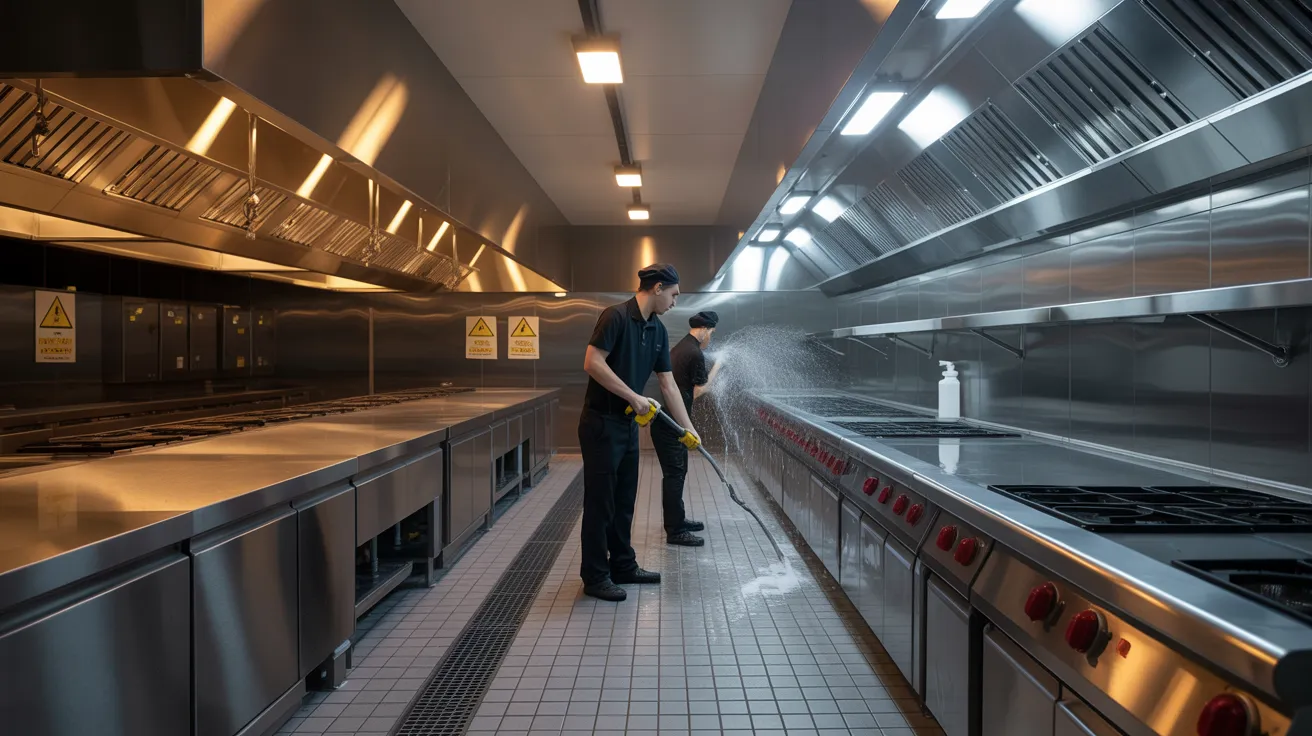
Brampton cleaning services zero in on kitchens, floors, and restrooms as each zone involves distinct food safety, slip-and-fall, and public health risks. In industrial kitchens, you need grease removal from cooking stations, appliance surfaces, drain systems, preparation areas, and backsplashes to minimize bacterial growth and pest activity.
Floor care that is recorded should also be anticipated. Technicians scrub and extract buildup from tile grout, ceramic surfaces, and vinyl floors, then apply correct drying techniques so you can limit falls and meet regulatory standards. They also handle entry points where dampness and dirt enter the building.
For restroom sanitation, cleaners sanitize touchpoints, fixtures, partitions, dispensers, and waste containers, then replace products and reduce odor. They also service restaurant moprooms, where chemical storage, sink hygiene, and drainage conditions can affect sanitation compliance and staff safety daily.
Why Food Safety Cleaning Matters in Brampton
In Brampton, you must copyright sanitary cleaning practices to meet health code requirements and achieve compliance. You also reduce bacterial spread through proper cleaning of food-preparation surfaces, appliances, and frequently-touched items. Most importantly, you safeguard public health by lowering the risk of foodborne illness in your facility.
Sanitary Standards Adherence
Because Brampton food operations operate under mandatory safety protocols, food safety cleaning directly impacts your capability to supporting information fulfill health code requirements, safeguard customers, and eliminate enforcement action. You must maintain sanitized food contact points, written maintenance records, correct sanitizer application, and verifiable staff procedures that comply with municipal and provincial inspection expectations.
Maintaining comprehensive sanitation documentation demonstrates due diligence for regulatory audits and demonstrates that your practices are uniform, replicable, and overseen.
Cross-Contamination Prevention
Meeting regulatory requirements also depends on your capacity to stop cross-contamination during routine food preparation and sanitation. You must separate raw ingredients from ready-to-eat foods, clean work areas after each use, and store chemicals away from food-contact items. Clear procedures reduce transfer risks and support consistent compliance during inspections.
Building allergen isolation prevents priority allergens from contacting shared surfaces, containers, or equipment. Leverage separate cutting boards, colored implements, and strict utensil labeling so team members won't blend products in cooking or serving.Mandate hand cleaning following raw meat, seafood, eggs, or allergen-containing products. Swap wiping cloths regularly, and confirm disinfectant efficacy using test strips. When your team follows these practices every shift, you foster a cleaner, more secure operation that exceeds Brampton's safety standards daily.
Public Health Safeguarding
When food safety cleaning deteriorate, you don't only risk a failed inspection—you raise the likelihood of foodborne illness striking customers, staff, and the larger Brampton community. You also weaken your role in safeguarding community wellness, especially in high-traffic food premises where contamination can spread quickly through surfaces, equipment, and touchpoints.
You require cleaning procedures that remove contaminants, sanitize properly, and confirm effectiveness. This involves adhering to exposure times, utilizing approved disinfectants, logging schedules, and instructing staff to satisfy health-unit expectations. These mechanisms support pathogen reduction by limiting pathogens before contaminating food or surfaces. Across Brampton, strong cleaning safeguards vulnerable groups, limits outbreak risk, and demonstrates accountability. When you follow standards, you exceed regulations—you meaningfully reduce risk and enable safer food service throughout the area.
In What Ways Does Cleaning Help Achieve Food Safety Compliance?
Strict sanitation practices support food safety compliance by decreasing contamination threats, managing pathogen expansion, and positioning your facility in accordance with sanitation requirements under HACCP-based programs and public health regulations. You ensure that contact surfaces stay visibly clean and microbiologically controlled, facilitating documented preventive controls and inspection readiness.
Systematic cleaning also enhances allergen mitigation by removing residues that can lead to undeclared allergen exposure. When you pair verified sanitation methods with standards training, your staff can execute uniform procedures, employ approved chemicals accurately, complete records properly, and manage discrepancies in advance of issues intensify. Consistent cleaning enables audit trails, validates corrective steps, and proves responsibility throughout audits. Moreover, it supports you safeguard product quality, sustain operational adherence, and lower the chances of enforcement actions, product recalls, formal complaints, and preventable safety threats.
What's the Ideal Time to Plan Commercial Cleaning?
Develop cleaning plans based on risk, production volume, and regulatory requirements instead of relying solely on a set calendar. You should schedule standard cleaning every day
Plan your periodic cleaning from standard cleaning
Selecting the Right Brampton Cleaning Experts: Key Considerations
Start by screening providers against food-safe sanitation requirements, not cost only. You should verify that each company understands CFIA, public health, and HACCP compliance standards relevant to your facility. Ask for insurance documentation, WHMIS compliance, documented staff training, and supervision practices. Review whether technicians understand contamination prevention, chemical handling, and traceable sanitation records.
You must also evaluate operational reliability and accountability. Seek references from Brampton food companies, then assess response speed, corrective-action procedures, and communication standards. Ensure the company supports supplier audits and can provide inspection-compliant records when authorities or third parties demand verification. Verify equipment is maintained, colour-coded tools are deployed correctly, and site-specific hazards are understood. A reputable service protects compliance, product integrity, and your brand reputation.
What does a cleaning and sanitation plan encompass?
Put together a written plan that establishes every sanitation duty, standard, and accountability before production begins. You should specify cleaning intervals, permitted substances, dilution percentages, exposure times, instruments, and inspection methods for each sector, surface, and equipment. Make sure to include pre-operational inspections, corrective actions, and employee training requirements.
Your strategy should also address prevention of contamination, waste management, pest-control tactics, and scheduled records for facilities, drains, flooring, and food-preparation surfaces. Specify how you'll distinguish between uncooked and prepared items, facilitate ingredient tracking, and maintain accurate allergen labeling through validated cleaning between product changes. You should establish accountability, keep signed records, and assess results against regulatory standards, HACCP controls, and customer requirements. When gaps appear, modify procedures immediately and instruct staff.
Frequently Asked Questions
Can sanitation providers support overnight shifts in Brampton properties?
Yes, you can book cleaning services to support nighttime operations in Brampton facilities. You'll organize overnight sanitation around production schedules, access controls, and staffing requirements. Services generally map nightshift procedures to minimize interruption, maintain standards, and document completed tasks. You should confirm arrival timeframes, management, access protocols, and disposal methods before beginning service. If you operate controlled environments, you'll also need documentation that support inspections and internal quality assurance.
Can sanitation professionals manage emergency spill response?
Yes, you can find many Brampton sanitation professionals who provide hazard containment solutions. They handle contamination, evaluate dangers, isolate affected areas, and begin swift cleanup to minimize risk and avoid operational disruption. You should confirm response times, training certifications, PPE protocols, and disposal procedures. If your facility must meet regulatory requirements, select a service that documents incidents, follows compliant standards, and enables compliance verification.
Can plant-based disinfectants be utilized safely on food-handling equipment?
Yes, plant-based sanitizers can be safe for food preparation areas if you choose solutions certified for food use and satisfying regulatory requirements. You should confirm application timing, dilution rates, and rinsing needs before application. Many natural-based solutions lower chemical burden, but you require confirmation of performance against target microorganisms. To maintain residue free surfaces, you should adhere to manufacturer instructions exactly and ensure the disinfectant meets applicable food industry sanitation standards.
Can sanitation programs be customized for seasonal shifts?
Yes, you can adjust cleaning plans for seasonal shifts. You should adjust timing, staffing, chemicals, and confirmation procedures to fit operational cycles while preserving compliance standards. You'll lower production interruptions by organizing cleaning around equipment transitions, peak seasons, and usage patterns. You should further modify written procedures, instruction programs, and environmental monitoring to capture seasonal hazards, novel allergens, or increased soil loads. Regular reviews keep your program effective.
Do professional cleaners coach your team in sanitation best practices?
Indeed, commercial cleaning providers typically provide staff training on proper hygiene. Your staff obtains instruction on safe chemical application, contact times, preventing cross-contamination, equipment disassembly, and documentation. They typically follow instruction with HACCP, GMP, and CFIA or regional health standards requirements. Many also execute sanitation audits to confirm standards, identify gaps, and reinforce corrective actions. This supports you in maintain consistent procedures, pass inspections, and decrease foodborne illness risks on a daily basis.
Conclusion
When you partner with Brampton food safety and commercial cleaning experts, you aren't merely cleaning—you maintain your facility audit-prepared and your protocols above board. From kitchens to processing floors, every polished surface and well-kept corner helps reduce pest intrusion and avoid expensive problems. By arranging cleanings at the right intervals and adhering to a detailed cleaning schedule, you safeguard staff, customers, and your brand image. In a strict regulatory setting, sanitary conditions aren't optional—they're part of doing business right.